
The Anglofiles: Naomi Orange on Producing, Punk Theater, and Her New York Journey
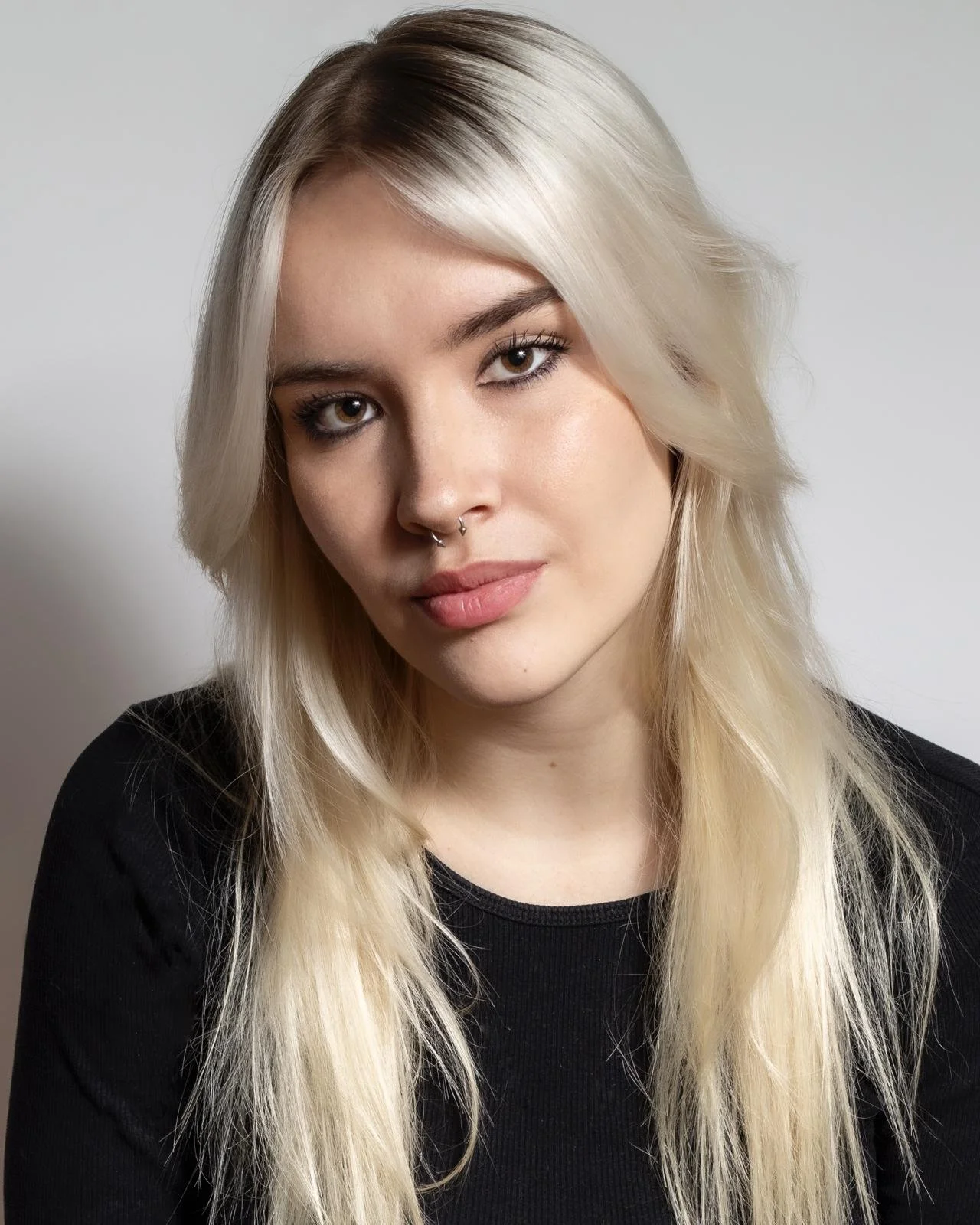
Our Anglofiles series celebrates the brilliant Brits and Commonwealth creatives making waves in New York. This week, we’re catching up with Naomi Orange, a powerhouse performer and Co-Founder of Fruit Fly Theatre Company. Born in London and raised across New Zealand and Australia, Naomi brings a globe-trotting energy to the city’s creative scene. A graduate of the Stella Adler Conservatory and the National College of Dance, she’s a true triple threat. Whether she’s leading roles at the New York Theatre Festival or producing raw, punk-infused theater, Naomi is a force to be reckoned with, not to mention she comes from a legacy of legendary storytelling as the granddaughter of historian Dame Claudia Orange.
You’ve lived in London, New Zealand, and Australia before making NYC home. How does that international perspective fuel your work at Fruit Fly Theatre Company?
I draw on something distinct from each culture when making theatre. My English background has given me an appreciation for subtle work that relies heavily on subtext rather than characters simply pouring their hearts out on the page. I find that kind of restraint far more powerful. Plays like Betrayal come to mind as the epitome of that approach. My New Zealand heritage influences the way I act and produce, reminding me to stay open, calm, and positive throughout the creative process. Meanwhile, Australians tend to be very direct, a quality I try to bring to the way I work and lead. The rebellious spirit of Australian culture is also an inspiring lens when creating work that aligns with our punk ethos.
You’re both a producer and a performer, notably in La Casa de Bernarda Alba. What was the most rewarding part of tackling that production from both sides of the curtain?
At the time, Bernarda was likely our biggest production to date. We had an extended run across two venues, a large cast, multiple sold-out performances, and the opportunity to stage the show in a major venue. Pulling all of that together successfully was something we were incredibly proud of as a company. The most rewarding part was seeing that ambitious vision actually come to life and watching audiences respond so strongly to it.
From an acting standpoint, it was equally challenging and fulfilling. It's a rich, classical text that deals with very heavy themes, and playing the narrator required some serious acting chops. Stepping into a story of that scale and emotional weight pushed me as an actor, so being able to meet that challenge while also helping bring the entire production together made the experience especially rewarding.
Your performance in Shiva at the New York Theatre Festival really resonated. How did that festival experience push your growth as an actor?
I was immediately drawn to Shiva by its mystery and poignant subtlety. I was especially intrigued by the way the play explored death through a complex lens, subverting the familiar trope of someone who takes their own life being presented as the hero of the story. It felt like a fresh and thoughtful approach to a difficult subject. I also loved the show's structure, with conversations and dialogue happening simultaneously. The world of the play felt incredibly tactile and life-like. As a performer, it gave me the opportunity to lean on my improvisational skills and create a different show each night, which was both challenging and rewarding.
Working with the New York Theatre Festival is always a joy. The festival's reputation and the level of talent it attracts create an environment that pushes me to raise my game as an actor. Beyond that, it's been an invaluable place to build connections. I’ve met so many talented collaborators through the festival, and those relationships continue to shape and inspire my work.
You’re currently producing and starring in Throuples Counseling. Give us the scoop on what we can expect from that "punk-rave" aesthetic?
Throuples Counseling is a dark queer rom-com about a group of college students who agree to pose as a throuple for a psychological experiment. The assignment soon becomes far more than they bargained for, compelling each of them to face the personal challenges they’ve long avoided.
What excites me most about the piece is that it explores an aspect of queerness that isn't often represented on stage. The show is camp, funny, and playful, but it's also deeply truthful and, at times, heartbreaking. It challenges traditional stereotypes and approaches its characters with a lot of empathy and complexity.
From a production standpoint, the show absolutely carries the punk aesthetic people have come to expect from our work, but more than that, we're intentionally bringing the show back to our community-driven roots. After working in a major venue on our last production, we wanted to stage this piece in a queer neighborhood, surrounded by people who can see elements of their own experiences reflected in the story. Accessibility is also a huge priority for us, so we're keeping tickets affordable and making the work as welcoming as possible. The whole project feels very new, fresh, and reflective of where we are as a company right now.
Growing up, your grandmother, Dame Claudia Orange, was a major historical voice. How has her legacy influenced your path as a storyteller?
Storytelling has always been a huge part of my family, whether through acting, music, or history, and growing up in that environment definitely nurtured my passion from an early age. My grandmother has dedicated her life to preserving and sharing history, which has had a significant influence on the kind of work I’m drawn to as an artist. I often gravitate toward plays based on true stories or historical events, such as the Shakespearean histories. Knowing that a character is a real person with real experiences adds another layer of depth for me and makes the work feel even more meaningful. Beyond our shared passions, growing up around strong women who worked tirelessly and were unafraid to lead definitely inspired me and acted as a catalyst for where I am today.
The Quick-Fire Round
What’s the one thing from Australia, New Zealand, or London you’re still searching for in NYC?
The transparency in the Australian workplace, that "just do your best" attitude. But if we’re being honest? It’s the food. I’m still searching for a place where bread can actually be good for you.
If you had to pick one for the rest of your career: producing or performing?
Performing, hands down. I love the freedom and creativity of producing, but I’ll always consider myself an actor first.
Go-to spot for a punk or rave vibe when you need to escape the rehearsal room?
Gold Sounds Bar in Bushwick. It’s genuinely punk, no "alternative" snobbery, and you can always strike up a conversation with the regulars.
Marmite, Vegemite, or have you fully converted to New York everything bagels?
I’ll probably be exiled for this, but I’ve never been a fan of either. Everything bagels for the win!
Which punk band captures the ‘Fruit Fly’ energy right now?
Much of our work is very female-focused and often leans into a gothic, witchy energy, so Ethel Cain has been a big influence for me. Lately, we’ve been prepping for our upcoming production of The Tempest this August, which leans more goth than punk, so I’ve been listening to her music constantly while developing that world and atmosphere.